.png)
Why Retirement Doesn’t Automatically Lead to Better Health

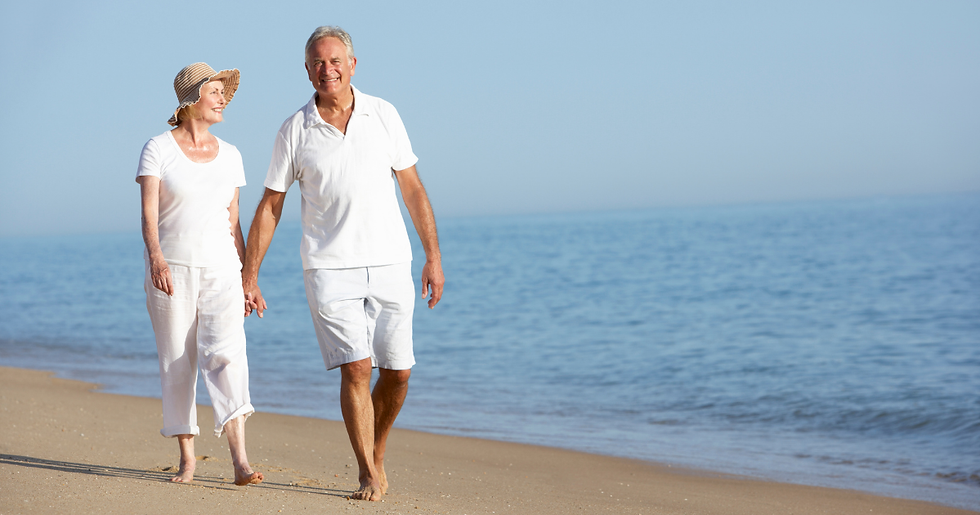
A lot of people imagine retirement as the point where life finally slows down enough to focus on themselves. The schedule opens up, the pressure of work disappears, and there’s suddenly more time available for all the things that felt difficult to prioritize before—exercise, healthier eating, better sleep, hobbies, and the general idea of “taking care of yourself properly.”
On the surface, that assumption makes complete sense. If lack of time has been the main obstacle for years, then removing work from the equation should solve the problem. More freedom should create more opportunity.
But in my experience working with older adults, that’s usually not what happens.
What often surprises people about retirement is that while the schedule changes, they themselves don’t suddenly change along with it. The same habits, routines, preferences, and tendencies they had before retirement are generally still there afterward. If movement wasn’t already a regular part of life, it rarely appears automatically just because there’s more free time. If cooking felt inconvenient before, that usually doesn’t transform overnight into a strong desire to prepare healthy meals every day.
Retirement changes structure. It doesn’t automatically change behavior.
The Structure People Don’t Realize They Had
One of the more interesting things about working life is that even when people feel busy, stressed, or overwhelmed by it, their schedule still provides a certain amount of built-in structure. There are reasons to wake up at a consistent time, places to be, routines that repeat, and responsibilities that shape the day whether you consciously think about them or not.
That structure influences behavior more than many people realize.
Meals tend to happen around predictable windows of time. Movement may not come from formal exercise, but from commuting, walking around at work, climbing stairs, carrying things, or simply having to remain active throughout the day. Even basic routines like showering, getting dressed, or leaving the house are anchored to external obligations.
When retirement arrives, a lot of that structure disappears all at once.
At first, that freedom can feel exciting and well-earned. But over time, many people find that without some intentional routines in place, the days begin to lose shape. Sleeping in becomes more common. Sitting becomes more common. Television fills more hours. Activity levels often decrease without people fully noticing it happening.
Research has consistently shown that physical activity tends to decline after retirement for many adults, particularly among those who did not already have strong exercise or movement habits beforehand. In other words, retirement doesn’t necessarily create healthier behavior; it often reveals the patterns that were already there beneath the surface.

More Time Doesn’t Necessarily Create More Motivation
One of the assumptions hidden inside the phrase “I’ll take care of it when I retire” is the belief that having more time will naturally create more motivation. But motivation usually doesn’t work that way.
Most of the people who remain active and engaged in retirement didn’t suddenly become different people at age sixty-five. In many cases, they were already finding ways to prioritize movement, routines, hobbies, or self-care while they were still working. Retirement simply gave them more space to continue habits that already existed.
The opposite is often true as well. When someone has spent decades putting their health on the back burner, postponing exercise, relying on convenience foods, or viewing self-care as something to get to “later,” those patterns tend to continue into retirement because they’ve already become deeply familiar ways of living.
That’s part of why behavior change can feel so difficult. Human beings are creatures of repetition. The routines we practice regularly become the default settings we fall back into, especially during periods of transition or uncertainty.
Retirement may provide more available hours, but it doesn’t automatically provide the systems, habits, or internal drive needed to use those hours differently.
The Identity You Build Along the Way
Another thing people often overlook is that health behaviors are closely tied to identity. Someone who sees themselves as “the kind of person who exercises,” “the kind of person who cooks at home,” or “the kind of person who stays active” tends to continue those behaviors across different stages of life because they’ve become part of how that person sees themselves.
That identity isn’t usually built through one dramatic decision. It develops gradually through repetition.
A person who consistently walks after dinner for years may not think much about it at the time, but they’re reinforcing a version of themselves that stays active even when life gets busy. Someone who regularly prepares meals at home is building familiarity with a lifestyle that makes healthier eating more sustainable over the long term.
These patterns compound gradually over decades.
By the time retirement arrives, people are often experiencing the accumulated effects of the routines they’ve practiced for years, both physically and mentally. In that sense, the version of you that shows up in retirement is not something that suddenly appears at sixty-five; it’s something that has been gradually shaped throughout your forties, fifties, and early sixties.
Health Is Something You Prepare For
Most people understand the idea of preparing financially for retirement. They recognize that waiting until the last few years before retirement to start saving usually creates unnecessary stress and limitation later on. Instead, retirement accounts are built gradually through small, consistent contributions over time.
Health works in a similar way.
Strength, mobility, cardiovascular fitness, balance, energy levels, and overall resilience are all things that respond to long-term investment. They tend to reflect the repeated choices and habits accumulated across years rather than short bursts of effort later on.
That doesn’t mean someone needs to pursue perfect habits or become intensely focused on fitness. In fact, the people who age well are often not the ones doing extreme programs. More commonly, they’ve simply maintained a baseline level of consistency for a long time. They kept moving. They stayed engaged. They built routines that were sustainable enough to continue through different seasons of life.
And because of that, retirement becomes less about trying to rebuild lost health and more about enjoying the freedom they worked so long to create.
Looking Ahead Realistically
None of this is meant to discourage people who feel busy right now or who genuinely struggle to find space for themselves. Modern life can feel demanding, and there are seasons where health habits become harder to maintain consistently.
But it’s important to recognize the difference between “this is difficult right now” and “this will automatically become easier later.”
For most people, retirement doesn’t create a new person. It simply gives more room for the existing patterns of life to continue. And while that may sound discouraging at first, it can also be empowering, because it means the small decisions you make now matter more than they seem to in the moment.
The routines you practice today are shaping the version of yourself that will eventually arrive in retirement, whether intentionally or unintentionally. And the earlier those routines begin to take root, the more likely they are to still be there when you finally have the time and freedom you’ve been looking forward to for so many years.


Comments